 Build Your Future!
In a flour milling project, choosing between a hammer mill and a roller mill is not simply a matter of deciding which machine is better. The right choice depends on the raw material, finished product, required capacity, quality target and local market.A hammer mill uses high-speed impact to break down grain. It is commonly considered for coarse maize meal, basic maize flour, rural milling and projects that need flexible processing of different grains. A roller mill uses controlled compression and grinding between rolls. It is generally more suitable for wheat flour, bread flour, specialty flour and commercial flour milling lines that require controlled particle size and improved separation of bran and endosperm.
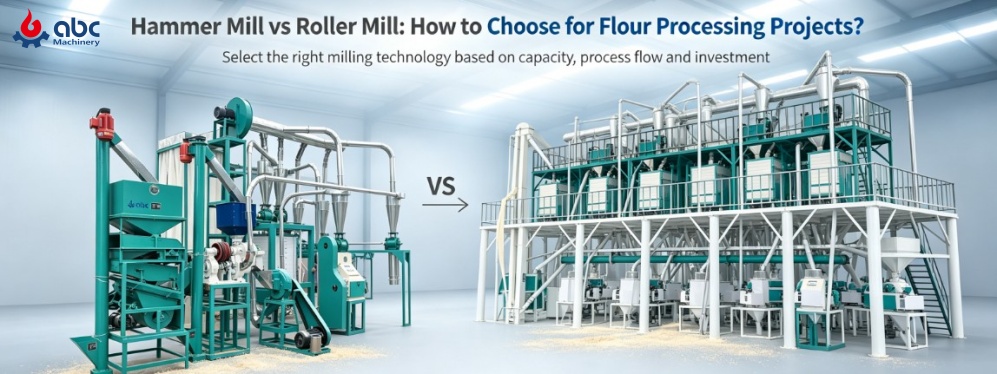
Hammer Mill vs Roller Mill: Key Differences
Before selecting a flour milling machine, investors should compare more than the main unit price. The choice between a hammer mill and a roller mill can affect the process flow, number of screening stages, product quality, flour extraction, building layout and future expansion. For example, a small 5–20 TPD maize flour project may prioritize simple grinding and flexible raw-material handling, while a 30–60 TPD commercial wheat flour line may require staged reduction, purification and multi-grade flour production.
|
Comparison Item
|
Hammer Mill
|
Roller Mill
|
|---|---|---|
|
Grinding principle
|
High-speed impact and shearing by rotating hammers
|
Controlled compression, shearing and grinding between rolls
|
|
Typical products
|
Coarse maize meal, basic maize flour and some pre-ground products
|
Wheat flour, bread flour, specialty flour and refined maize flour
|
|
Particle-size control
|
Mainly controlled by the screen; particle distribution can be wider
|
Controlled through roll gap, roll settings and the sifting system
|
|
Bran and endosperm separation
|
Limited when used alone; usually needs additional separation and sifting
|
Better suited to staged grinding and bran-endosperm separation
|
|
System characteristics
|
Relatively simple structure and broad raw-material adaptability
|
Suitable for continuous milling and multi-grade flour production
|
|
Typical project
|
Small, rural, regional or multi-grain processing projects
|
Commercial flour mills and complete flour milling plants
|
A hammer mill may be suitable when the project prioritizes simple impact grinding, flexible raw-material handling and coarse products. A roller mill is normally the stronger option when the project requires stable flour quality, controlled particle size, improved bran separation and multiple flour grades.Every flour milling project varies in raw material, output and local conditions. Share your required capacity and budget with ABC Machinery’s technical team. We will design a suitable flour mill configuration for you.Request your free turnkey solution proposal today.

What Flour Milling Projects Are Suitable for a Hammer Mill?
A hammer mill is not the universal choice for every flour milling plant. It may be considered for the following applications:
-
Basic maize meal or locally marketed maize flour;
-
Farm, cooperative and small regional processing projects;
-
Markets with relatively broad particle-size and product-grade requirements;
-
Projects that need to process maize, wheat, rice or other grains with flexible equipment;
-
Early-stage projects using a simplified milling and sifting process.
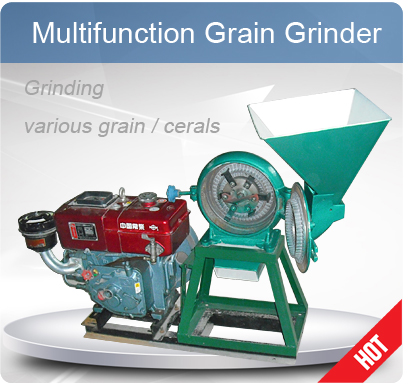
ABC Machinery's maize milling project information describes hammer milling as a lower-cost option that can be suitable for some rural applications. However, when the germ, bran and endosperm are ground together, the finished product may contain more fine particles and may have different storage and quality characteristics. A commercial maize flour project may therefore need cleaning, degermination, sifting and grading equipment in addition to the grinding machine.
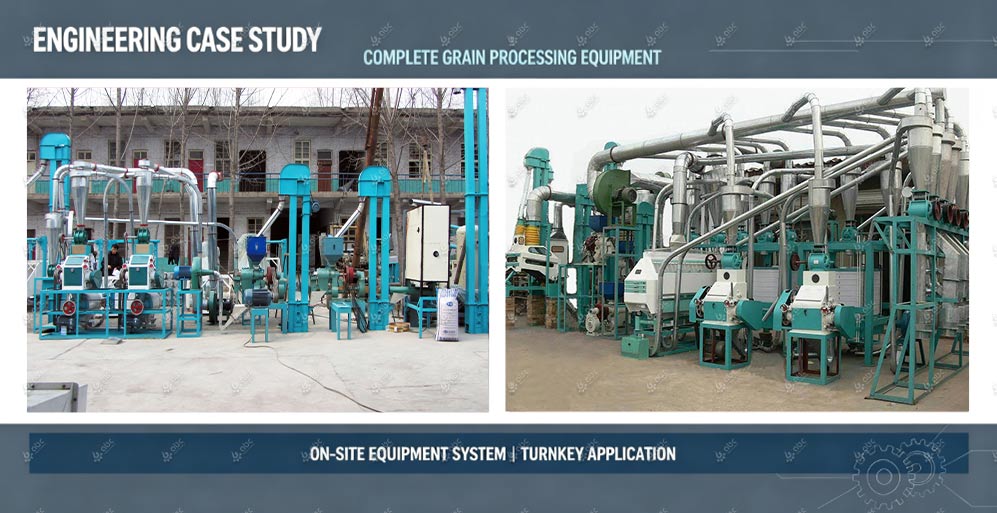
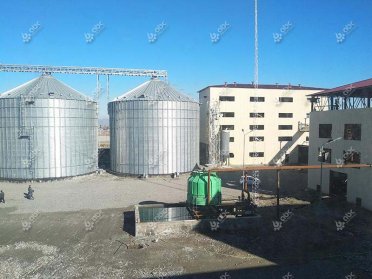
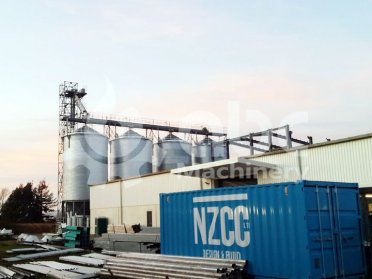
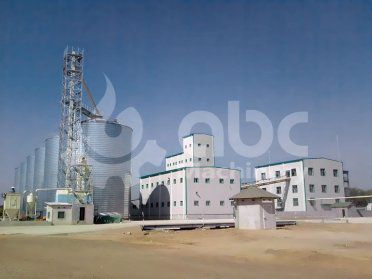
ABC Machinery Turnkey Grain Milling Plant Project Case
Advantages and Limitations of Hammer Milling
Advantages:
-
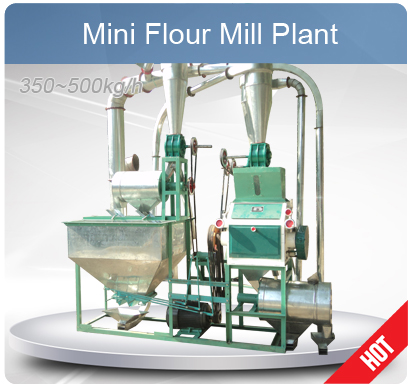
Hammer mills are suitable for small maize flour projects, with public references including approximately 5 TPD mini maize flour plants and 10–20 TPD small flour milling units.
-
For projects with a capacity of approximately 5–20 TPD, a hammer-milling solution may use 1 primary hammer mill together with 1–2 screening or grading stages, resulting in a relatively simple process structure.
-
Finished particle size can be adjusted by changing the screen. During commissioning, it is recommended to compare at least 2–3 screen specifications before confirming the final configuration.
-
Hammer mills are more suitable for coarse maize meal, basic maize flour or pre-grinding applications, especially when the product route requires no more than 2–3 main milling and screening stages.
Limitations:
-
When 1 hammer mill is used alone, it generally performs the main size-reduction step but cannot fully replace degermination, purification and multi-stage screening equipment. Therefore, bran, germ and endosperm separation is limited.
-
Particle-size distribution may be less uniform than that of a staged roller-milling system.
-
For high-grade wheat flour or multi-grade flour projects, commercial lines in the 30–60 TPD range or above generally require roller mills, purifiers, plansifters, blending and packing equipment. A hammer mill alone is unlikely to provide the complete process.
-
When both maize flour and maize grits are required, an 80 TPD public maize-processing project provides a reference of approximately 30%–35% flour extraction and 40%–45% grits extraction. Actual ratios depend on degermination, screening, raw material quality and product specifications.
What Flour Milling Projects Are Suitable for a Roller Mill?
Roller mills are more suitable for commercial flour milling projects where product quality, staged reduction and flour grading are important. Typical applications include:
-
All-purpose wheat flour, bread flour and specialty flour.
-
Production lines with multiple break, reduction, sifting and purification stages.
-
Projects with defined targets for ash content, particle size, extraction rate and product consistency.
-
Medium and large flour mills producing several flour grades.
-
Processes that require more effective separation of bran, endosperm and germ.
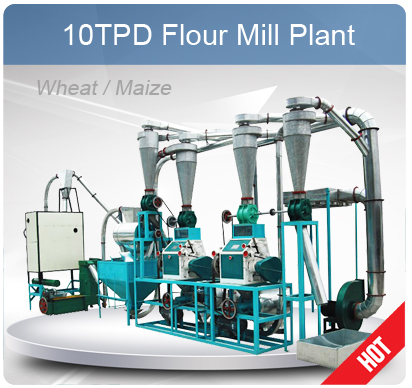
ABC Machinery's 30–60 TPD wheat milling information describes a configuration with multiple wheat milling machines, plansifters, purification equipment and automatic packing. Its staged grinding and sifting design is intended to support flour quality and production consistency. The final number of roller mills and the complete flow diagram must still be determined according to the wheat variety, target products and site conditions.
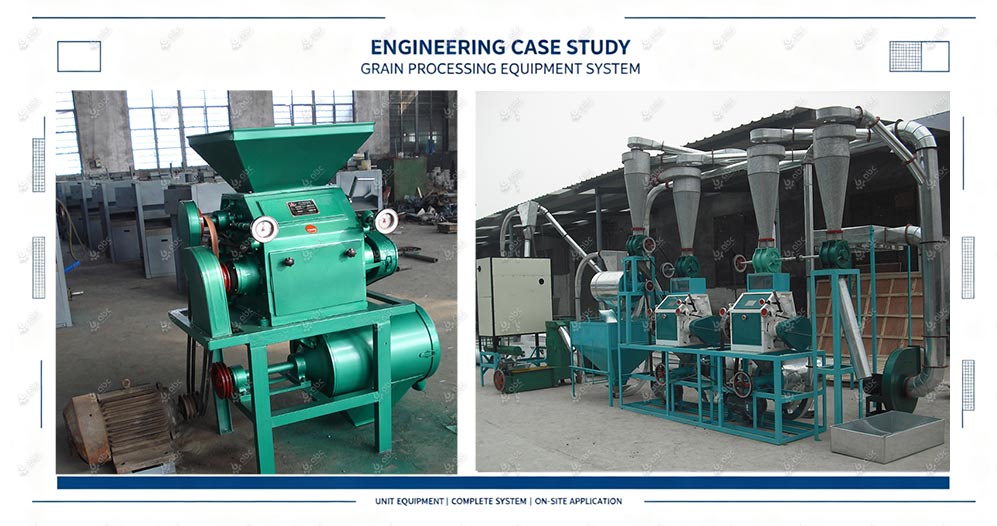
Flour Mill Machinery Project Case
Advantages and Project Boundaries of Roller Milling
Advantages:
-
Roller mills are suitable for commercial wheat flour lines in the 30–60 TPD range and can also be applied to projects with capacities of 60–150 TPD or more.
-
With multiple break, reduction, sifting and purification stages, roller milling allows better control of different particle sizes and flour grades.
-
In ABC Machinery’s public 30–60 TPD wheat flour milling information, reference extraction rates for different flour grades are approximately 60%–63%, 70%–73% and 75%–78%. Actual results depend on wheat quality and process configuration.
-
For all-purpose flour, bread flour and specialty flour, roller milling is more suitable for commercial flour mills producing 2 or more product grades with stable particle size and continuous output.
-
A roller mill can be integrated with plansifters, purifiers, conveying systems and dust-collection systems, forming a complete milling process with at least 4 major functional modules.
Important considerations:
-
The roller mill is only 1 core component of the complete production line, so the total project investment should not be estimated from the main-unit price alone.
-
A public 30 TPD wheat flour project reference indicates that approximately 3–4 workers may be required, while a 60 TPD reference indicates approximately 5 workers. Actual labor requirements depend on automation and packing methods.
-
The building design should confirm at least 5 conditions in advance: building height, equipment foundations, electrical capacity, material-flow routes and maintenance access.
-
A public 30 TPD wheat flour project reports a flour extraction rate of approximately 75%, while a 60 TPD project provides a reference range of approximately 75%–80%. Final results must be confirmed through raw material testing and commissioning.
Therefore, 30–60 TPD can be considered a basic commercial range for roller milling. When capacity reaches 60–150 TPD or the number of flour grades exceeds 2, automation, storage and multi-stage sifting should be evaluated carefully.ABC Machinery can determine the number of roller mills, sifting configuration, purification system and complete supply scope according to target capacity, flour extraction rate, product grades and site conditions.
Should a Maize Flour Plant Use a Hammer Mill or a Roller Mill?
The correct choice for maize milling depends first on the target product and market.
|
Target Product or Market
|
Potentially Suitable Solution
|
|---|---|
|
Basic coarse maize meal
|
Hammer milling or a simplified grinding system
|
|
Rural and local maize flour
|
Hammer milling with sifting and, where required, degermination
|
|
Higher-grade maize flour
|
Cleaning, degermination, roller milling and multi-stage sifting
|
|
All-purpose wheat flour
|
Roller-mill flour production line
|
|
Bread flour or specialty flour
|
Multiple roller mills with purification, sifting and blending
|
|
Multi-grain processing
|
A combination selected according to raw-material properties and product requirements
|
A maize flour project does not always have to choose only one technology. A combined process may use cleaning and degermination at the front end, hammer milling in selected stages and roller milling, sifting or blending at the back end. The appropriate combination should be confirmed through raw-material testing and, where necessary, pilot trials.Talk to our engineer now and get your free flour mill project quote.
How Should the Equipment Be Selected by Project Scale?
-
Small Pilot and Rural Projects:For a small project serving nearby farms or local customers, with relatively broad product requirements, a simpler grinding and sifting solution may be considered. Raw-material adaptability, screen selection, dust collection and packing should be checked before the equipment is selected.
-
Small and Medium Commercial Projects:For a project serving a city or regional market, equipment selection should cover more than the main grinder. Cleaning, conditioning or degermination, grinding, sifting, storage, packing and electrical control should be reviewed as one system.
-
Medium and Large Flour Mills:For plants producing several grades of wheat flour, bread flour or specialty flour, a complete flour milling line centered on roller mills is usually more appropriate. Plansifting, purification, blending, automatic packing, dust collection and quality-control equipment should be considered in the same process design.
How Can ABC Machinery Support a Flour Milling Project?
ABC Machinery does not recommend a hammer mill or roller mill based only on the machine name. The project location, raw-material variety, target product, daily capacity, flour grade, building conditions and sales market all affect the final configuration.For a small maize flour project, the solution may focus on simplified grinding and sifting. For a commercial wheat flour mill, the process may require roller mills, purification, plansifting, blending and packing. ABC Machinery can review the project information, assess whether hammer milling, roller milling or a combined process is more appropriate, and help define the equipment list, process flow, capacity configuration and supply boundaries.
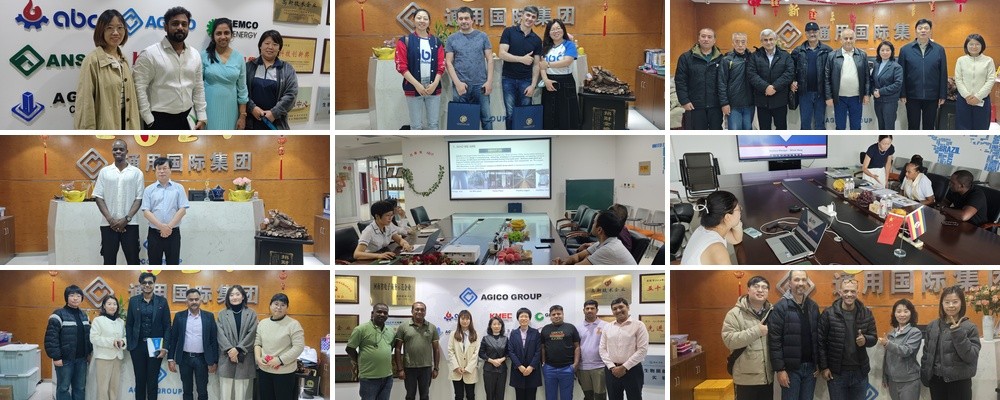
Worldwide Flour Mill Machine Clients Visit ABC Machinery Factory
The final solution and quotation should be confirmed according to raw-material testing, technical design, equipment scope and actual site conditions.Submit your raw-material details, target products and planned capacity to receive an initial flour milling solution from ABC Machinery.
Can a hammer mill produce wheat flour?
- Yes, but it is generally more suitable for coarse products or simplified processing. A roller-mill system with sifting and purification is normally preferred for stable production of higher-grade wheat flour.If you want to know more about the matching solution, feel free to contact us anytime.
Can a roller mill be used for maize milling?
- Yes. After cleaning and degermination, maize can be processed with roller mills and multi-stage sifting to produce a more controlled maize flour product.For detailed process configuration, you are welcome to get in touch with us.
Which is cheaper, a hammer mill or a roller mill?
- The main-machine price alone does not determine total project cost. A hammer mill may have a simpler structure, but the complete project may still require degermination, sifting, dust collection, packing and storage.If you need a full project quotation, please contact us at any time.
Does a maize flour plant always need degermination?
- Not always. The requirement depends on the target product, storage expectations and market grade. Higher-grade maize flour generally requires more attention to the separation of germ, bran and endosperm.We can customize the process scheme for you, welcome to consult us.
Why are roller mills widely used in commercial flour mills?
- Roller mills can be integrated with multiple grinding, sifting, purification and blending stages, which helps control particle size, flour grades and product consistency.If you have questions about commercial flour mill layout, feel free to reach out.
Can hammer milling and roller milling be used together?
- Yes. Depending on the grain and product requirements, different stages may use hammer milling, roller milling, sifting and degermination equipment.Our team can advise on combined processing solutions, contact us anytime.
What information is needed before selecting the equipment?
- At minimum, the supplier should receive the raw material type, target capacity, finished products, flour grade, building conditions, packing specifications and target market. Moisture, impurity and pilot-test data may also be required.A hammer mill may be suitable for fast impact grinding, coarse products and some small maize-processing projects. A roller mill is generally more suitable for wheat flour, refined maize flour and commercial lines that require staged reduction and product grading. The best choice is not based on one machine in isolation. It should be determined by the raw material, finished product, capacity, process flow and market.

Projects