 Build Your Future!
Are you considering investing in a maize processing plant in Africa, but finding investment costs high, raw materials unstable, traditional corn flour machine inefficient and difficult to maintain, and market competition fierce? Many investors face the same challenges. This article systematically analyzes the African corn processing market opportunities and challenges, offering actionable full-process solutions to help reduce risks and increase returns.
Market Planning and Investment Decisions
When building a corn processing plant in Africa, understanding the main production regions, consumption purposes, and market development trends is crucial. Differences in corn output, raw material types, and market demand across countries directly affect plant size, product structure, and overall investment planning.
Key Production Countries:
-
Nigeria: ~60 million tons/year, mainly white maize, distributed in northern and central agricultural areas. Smallholders, cooperatives, and regional processing enterprises must consider raw material sourcing and storage strategies.
-
South Africa: ~17 million tons/year, mainly yellow maize, with strong industrial processing capacity suitable for medium to large maize milling plant projects.
-
East Africa (Uganda, Kenya, Tanzania): Raw materials are widely dispersed and highly seasonal. Local small enterprises and cooperatives require flexible capacity and adaptable processing of maize workflows.
-
Southern Africa (Zambia, Zimbabwe): Corn is mainly used for local processing and export markets. Local plants require stable capacity and high-quality end products.
Investment Opportunities and Market Trends
-
Population Growth: Africa’s population is projected to grow ~15% from 2025–2030, steadily increasing demand for staple grains.
-
Accelerated Urbanization: Rising urban populations drive higher demand for packaged maize flour and premium products. Local and regional processors can strategically expand.
-
Policy Support: Governments encourage local grain processing by offering subsidies, tax incentives, and food security programs.
-
Supply Chain Modernization: Industrialized processing and standardized product requirements create growth opportunities for maize processing enterprises of all scales.
If you are planning to build a corn processing plant or upgrade your existing production line, click the button below. Our engineering team will provide customized maize processing solutions based on your raw material type, target capacity, and investment budget.

Maize Milling Plant Construction and Equipment Selection Guide
Investing in a maize processing facility in Africa requires careful planning of capacity, raw material matching, and process design. ABC Machinery combines local market insights with environmental considerations to provide custom maize mill machinery solutions for plants of different scales, ensuring stable production, reliable flour quality, and improved investment returns.
Capacity of Maize Processing Plant Planning
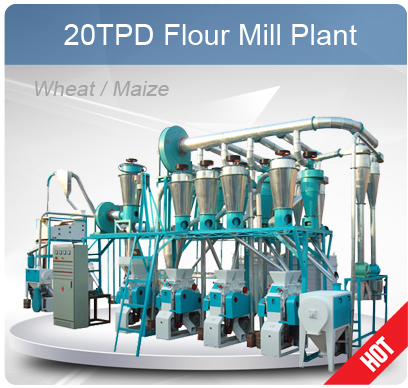
Different scales of maize processing plants have varying investment costs, equipment configurations, and market positioning. Proper capacity planning not only controls investment risk but also ensures optimal equipment utilization.
|
Plant Size |
Daily Capacity |
Energy Consumption |
Estimated Investment Cost (USD) |
Suitable Applications |
|---|---|---|---|---|
|
Small corn processing plants |
1–20 tons/day |
20–25 kWh/ton |
50,000–120,000 |
Rural communities, small startups |
|
Medium corn flour mill plants |
20–100 tons/day |
15–20 kWh/ton |
150,000–400,000 |
Regional grain supply, cooperatives |
|
Large maize flour mill plants |
100+ tons/day |
10–15 kWh/ton |
500,000+ |
Industrial enterprises, export-oriented |
Note: Data is for reference only. Actual conditions depend on raw material characteristics, process design, and market environment.
Corn Milling Process Design
The core corn mill process typically includes raw material pretreatment, milling, and packaging logistics. Equipment configuration and automation levels vary by plant size.
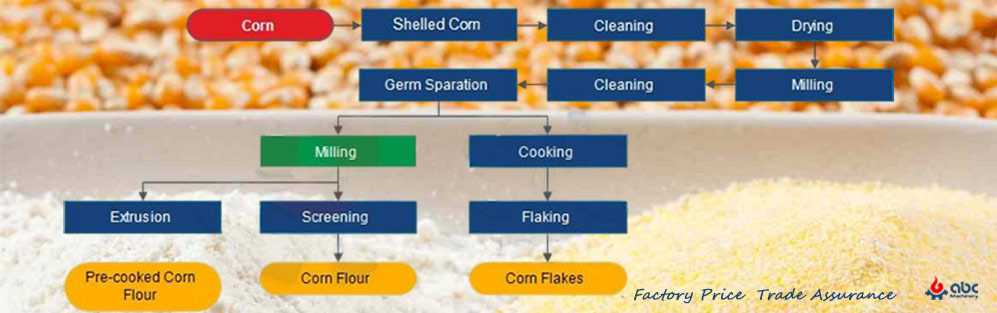
Corn Milling Processing Production Flow Chart
1.Raw Material Pretreatment
Pretreatment directly affects corn flour quality and equipment stability.
-
Small corn processing plants: Modular pretreatment units handle small, diverse raw material batches; impurity removal rate ~95%, ensuring stable flour quality for community and startup clients.
-
Medium corn flour mill plants: Multi-stage cleaning, air separation, and drying units address high moisture, heat, and pest risks; impurity removal rate ~97%, improving flour stability by 10–12%.
-
Large maize flour mill plants: Customized full-process pretreatment systems handle white, yellow, and mixed maize; impurity removal ~98%, flour stability improved 12–15%, supporting continuous large-scale production.
-
ABC Machinery provides customizable pretreatment modules with adjustable processing intensity and workflow.
2.Milling and Grinding
The milling system is the core of any maize flour mill machine and determines flour fineness and yield stability.
-
Small corn processing plants: Efficient milling machine for maize + single-stage sieving; flour particle size 120–200 mesh.
-
Medium corn flour mill plants: Multi-stage milling + multi-stage sieving; suitable for both staple flour and industrial or feed flour, adjustable particle size 80–250 mesh.
-
Large maize flour mill plants: Fully automated multi-line milling and sieving systems, stable capacity, precise flour quality, supporting simultaneous processing of multiple product lines.
3.Packaging and Logistics
Packaging impacts logistics efficiency and market distribution.
-
Small corn processing plants: Bulk or 5 kg packs, suited for local retail markets.
-
Medium corn flour mill plants: Bulk and 5–10 kg packs, automatic weighing and sealing, labor costs reduced by ~20%.
-
Large maize flour mill plants: 5–25 kg flour packs, integrated conveyor, weighing, and sealing, labor cost reduced by 25–30%, fast integration with export and local distribution.
-
ABC Machinery provides complete packaging solutions, including automatic weighing, sealing, and conveying, ensuring hygiene and efficiency.
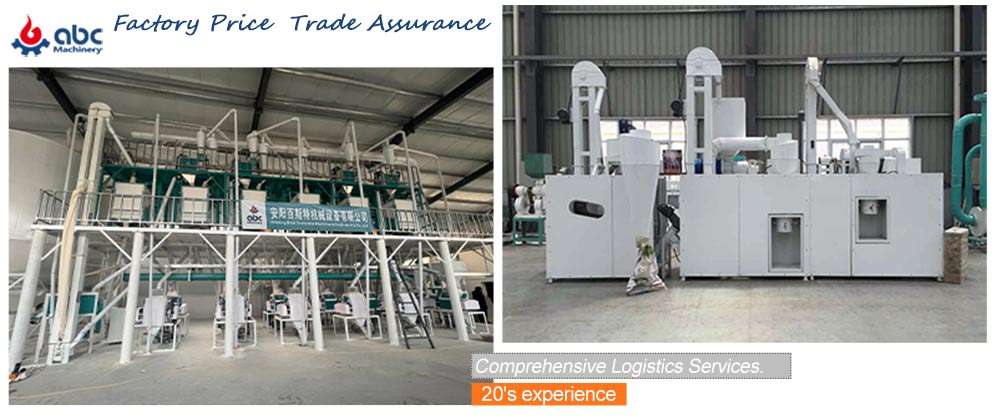
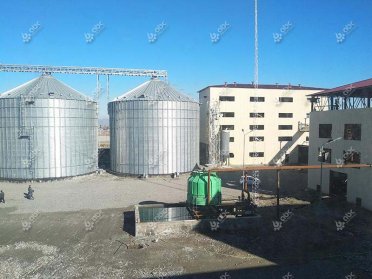
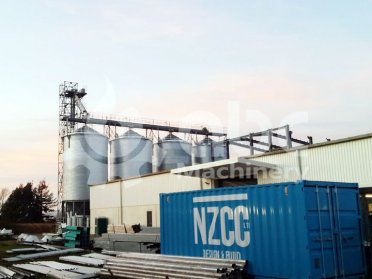
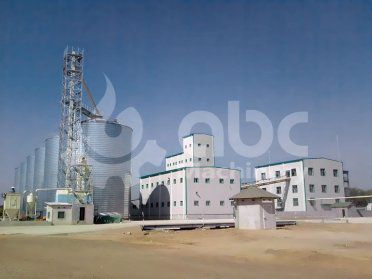
Successful Corn Milling Plant for Sale
Technical and Operational Recommendations
-
Equipment Selection: Choose matching maize mill machine, sieving, cleaning, and packaging equipment based on plant scale for optimal ROI.
-
Energy Optimization: Small machines use high-efficiency motors; medium and Large maize flour mill plants adopt energy-saving processes and intelligent load control, reducing peak energy consumption 10–15%.
-
Investment Returns: Systematic process layout reduces raw material waste 5–10%, increases flour stability ~10%, improving market competitiveness.
-
ABC Machinery offers remote monitoring, technical guidance, and training to ensure long-term stable operation of corn flour mill machine systems.
How ABC Machinery Supports Maize Processing Projects in Africa
As a professional grain processing equipment supplier, ABC Machinery offers complete maize processing plant solutions including:
-
Custom milling machine for maize plant design based on raw material and market demand, improving flour yield by 3–6%.
-
Flexible capacity solutions from 1–500+ TPD, suitable for small mills to industrial flour mill plant projects.
-
Energy-efficient processing technology, reducing power consumption to 10–25 kWh/ton.
-
Turnkey project services, including plant layout, installation, and technical training.
-
Extensive global project experience in corn processing equipment, applied across multiple regions.
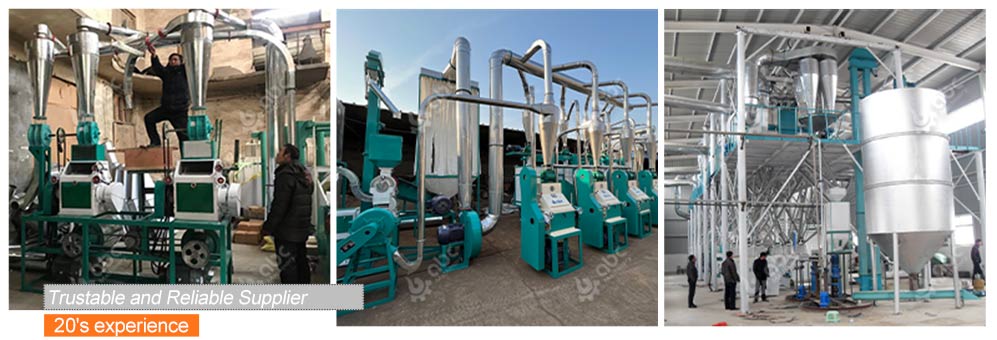
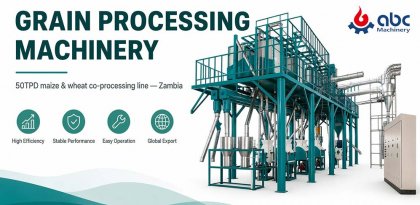
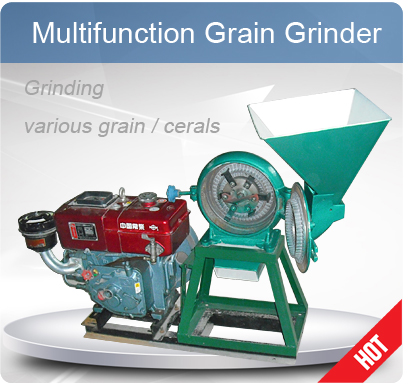
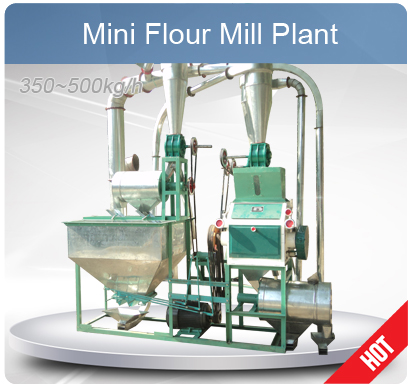
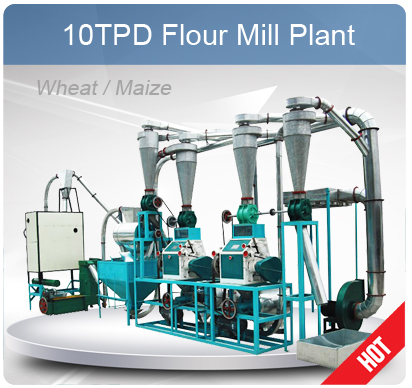
Different Type of Corn Milling Plants for Sale
If you are planning to build or upgrade a maize processing plant, contact ABC Machinery for professional advice. Our engineering team will provide custom corn mill equipment and process solutions based on your raw material type, target capacity, market positioning, and investment budget, helping you establish an efficient and stable corn processing line.Contact us to get free and professional answers immediately.

Projects