 Build Your Future!
Corn flour is an essential product for township grain and oil shops, supermarkets, catering businesses and food factories. Many small‑and‑medium‑size corn processors face a critical decision when building or expanding their facilities: should they choose the dry corn milling process, or the increasingly mainstream semi‑wet corn‑to‑flour solution? Drawing from real‑world operational data collected at small and medium‑sized grain processing facilities, this article compares process flows, investment budgets, end‑product quality and suitable application scenarios, to help corn flour/grits plant project investors make correct decisions and avoid costly mistakes during commissioning.
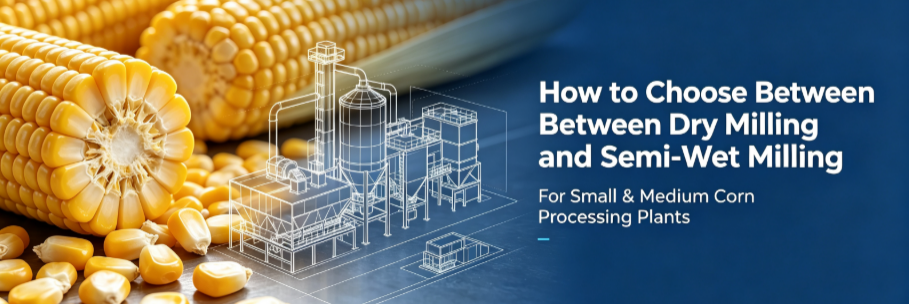
Global Market Outlook for Corn Milling
The global market for corn flour and corn grits has a compound annual growth rate of 4.69%, and is expected to reach 61.98 billion US dollars by 2035. The semi‑wet method is an improved alternative to dry processing. Sitting between pure dry processing and full wet processing, this technology is developed specifically for small‑and‑medium‑scale factories. Its main difference lies in short‑time water addition for grain conditioning and controlled water volume; it removes the long‑time soaking and heavy water consumption steps seen in traditional wet processing.
|
Dimension |
Dry Processing |
Semi‑Wet Processing |
|---|---|---|
|
Suitable Raw Materials |
Dry corn with 13%‑14% moisture content, aged grain |
Works well for dry and wet corn; performs excellently for high‑moisture raw grain in rainy seasons |
|
Core Markets |
Arid areas of Africa and Central Asia, feed production, rural bulk staple food |
Europe, Southeast Asia, urban supermarkets, baking, export trade, corn oil deep processing |
|
Market Space |
Stable existing market with moderate growth |
Steady growth supported by consumption upgrading trends |
|
Profit Structure |
Volume‑driven single‑stream processing with low gross margin |
Dual‑source income from product premium and germ oil pressing for higher overall profit |
|
Regional Limitations |
Best fit for water‑scarce locations; less competitive in humid zones |
Works well in most regions across the world |
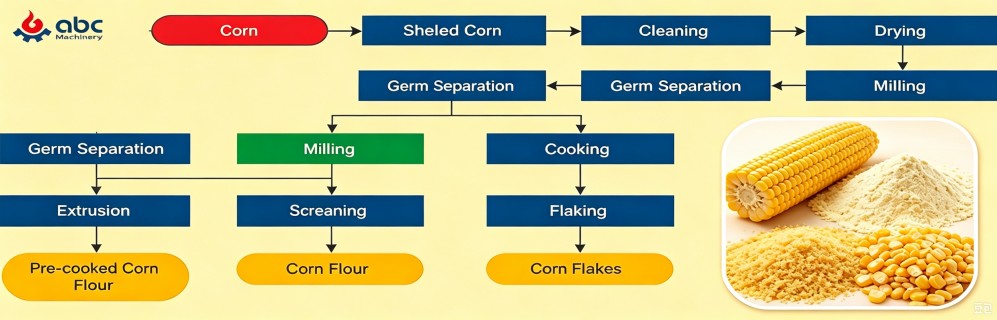
Corn Flour/Grits Manufacturing Process Flow Chart
There is no absolute superiority between dry‑method and semi‑wet corn flour milling. The key lies in matching raw material conditions, corn flour production scenarios and market channels. If you are preparing to build a corn processing factory and are confused about process selection and equipment configuration for corn flour or blended grain products, you may take your own production capacity, raw materials and sales channels into consideration and consult us for a one‑on‑one exclusive commissioning solution to avoid risks accurately and achieve profitable project implementation efficiently.

Small‑to‑Medium Corn Processors: Dry vs Semi‑Wet Final Selection Guide
With practical plant‑building data collected from multiple countries, ABC Machinery guides small‑and‑medium‑size factory owners to pick suitable technology by reviewing production capacity, investment budget and sales channels, helping users avoid common pitfalls in corn flour/grits manufacturing equipment selection.
Small‑Scale Factory: Dry‑Method Corn Milling (1‑50 tons per day)
Product positioning: feed‑grade corn flour, bulk cornmeal, regular corn grits, targeting low‑volume wholesale markets.
-
Complete production workflow: raw grain feeding → cleaning, stone removal and impurity separation → dry peeling and germ removal → multi‑stage crushing and grinding → air separation and sieve grading → finished‑product packing and warehousing.
-
Full low‑temperature dry processing: raw grain maintains natural moisture of 12%‑14.5%. Under this version of the corn milling process, no extra water, no grain tempering and no material soaking are involved, which effectively prevents quality degradation caused by excessive moisture.
-
Budget reference: total investment for full sets of processing hardware ranges from 4200 USD to 31000 USD for light‑asset setup. The overall corn flour/grits manufacturing equipment failure rate stays below 1.5%, and annual maintenance expense for the factory accounts for less than 3% of total equipment value. Operators without prior industry experience can run the whole line smoothly.
-
Site requirement: processing hardware occupies no more than 80 square meters. Simple workshop buildings or renovated old yards can satisfy corn flour/grits production requirements.
Medium‑Scale Factory: Semi‑Wet Corn Milling (50‑150 tons per day)
Business positioning: premium‑focused production strategy to gain product premium and extra revenue from by‑products, suitable for factories running 50‑150 tons output every day.
-
Complete production workflow: raw grain cleaning and impurity removal → trace water addition for grain conditioning and tempering → gentle peeling and germ separation → crushing for corn grits → multi‑stage grinding and air‑flow impurity removal → hot‑air moisture adjustment for quality stabilization → grading and premium‑grade finished‑product packaging.
-
Measurable quality improvement: the germ removal rate of this corn flour/grits production line reaches 90%‑95%. The whiteness of finished corn flour increases by more than 15%. Black speck impurities are controlled below or equal to 0.3%. Fine and uniform powder can be directly used for high‑end baking and deep processing of corn staple food.
-
Site requirement: a standard factory building no less than 120 square meters is required, and you need reserved buffer zones for grain conditioning and tempering steps.
|
Comparison Dimension |
Full Dry Milling (Industry Benchmark) |
Semi‑dry Semi‑wet Milling (Upgraded Standard) |
|---|---|---|
|
Equipment Investment |
4200‑31000 USD, best cost‑efficiency for 10‑50 tons per day |
21000‑57000 USD, higher automation level; far lower investment compared with traditional wet‑process hardware |
|
Water & Power Consumption |
Power consumption ≤18 kWh per ton; nearly zero water consumption, suitable for water‑shortage regions |
Power consumption 21‑23 kWh per ton; only trace water required, zero wastewater treatment cost |
|
Germ Removal Rate |
65%‑75%, high germ residue limits final product quality |
90%‑95%, precise separation supports further deep‑processing business |
|
Fat Content of Finished Product |
≥2.8%, easy to produce oxidative rancidity |
1.2%‑1.8%, meets high‑end industry standards |
|
Shelf‑life Performance |
15‑25 days under room temperature, creates barriers for supermarket distribution |
More than 40% longer shelf‑life compared with dry‑milled goods; storage performance satisfies supermarket requirements |
|
Comprehensive Revenue Per Ton |
11‑22 USD, profit purely from processing service |
25‑37 USD, combined income of product premium and by‑product added value |
|
Operation Difficulty |
Friendly for new operators; single‑person monitoring, minimal parameter adjustment |
Need to control tempering time between 5‑15 minutes; stable mass automatic production after operator training |
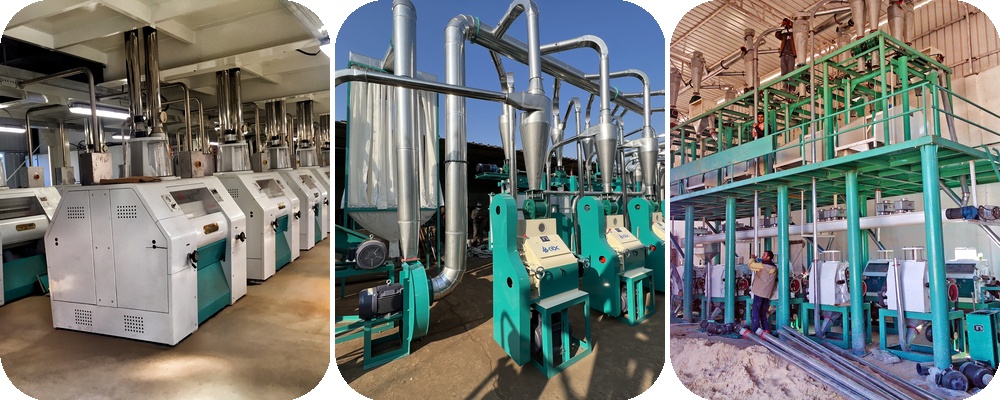
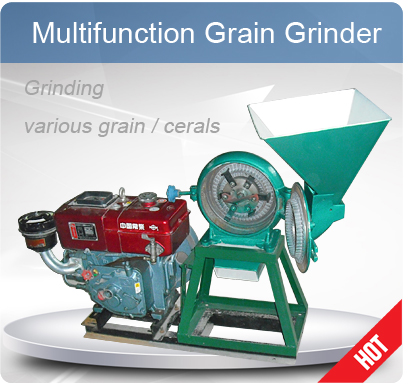
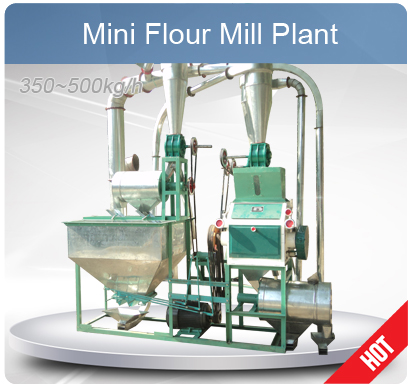
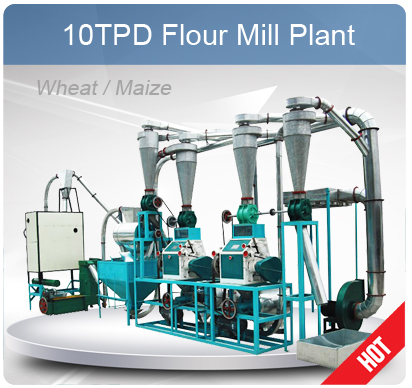
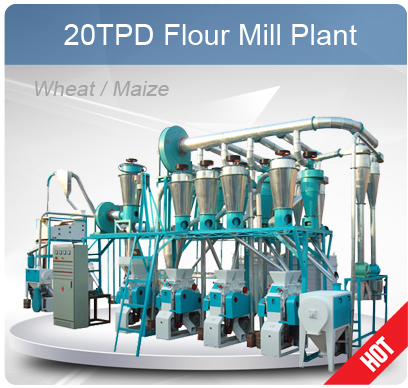
Different Scale of Complete Flour Milling Machine for Sale
If you are working on a limited initial budget: install dry‑process main units first and reserve physical space for conditioning accessories. When market requirements upgrade later, you can add atomized water‑spray and tempering devices without replacing core hardware. You can achieve seamless upgrade from dry processing to semi‑wet fine milling technology and avoid large one‑off investment risks.
ABC Machinery Full‑Cycle Custom Plant‑Building Solutions
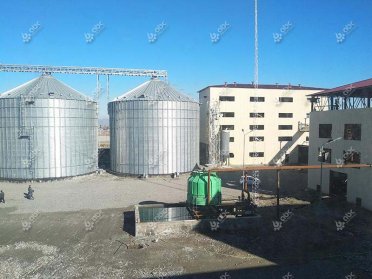
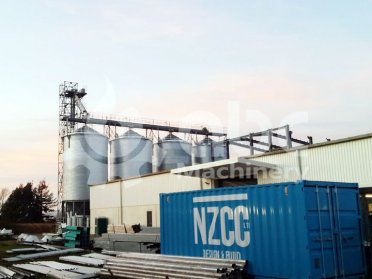
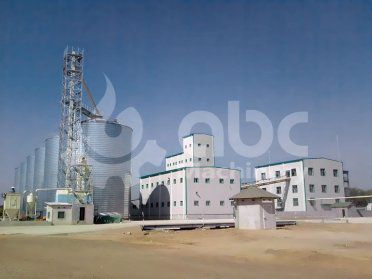
ABC Machinery has rich experience in global grain‑oil engineering. Our customed corn flour/grits manufaccturing plant project cases cover Africa, Southeast Asia, Middle East, South America and Eurasia. We have served customers in Kenya, Zimbabwe, Chad, Nigeria, Ghana, South Africa, Zambia, Tanzania, Uganda, Ethiopia, Malaysia, Indonesia, Brazil, Mexico, Argentina and many other countries. We reject rigid template‑style equipment matching. All solutions are built on real‑site working‑condition data. We do not copy generic configuration templates or match equipment based only on past experience. We deliver one‑stop full‑range services including pre‑project site survey, process matching, equipment customization, on‑site installation and long‑term after‑sales maintenance.
|
Service Phase |
Core Engineering Deliverables |
|---|---|
|
Pre‑Sales Technical Survey |
On‑site condition survey, capacity matching, process assessment, layout planning, profit calculation |
|
Mid‑Sales Customized Delivery |
Non‑standard adjustment, precise process control, quality stabilization and energy‑saving optimization, complete compliant supply, global delivery |
|
After‑Sales Support |
On‑site commissioning, hands‑on operation training, spare‑parts supply guarantee, long‑term maintenance, modular upgrade support |
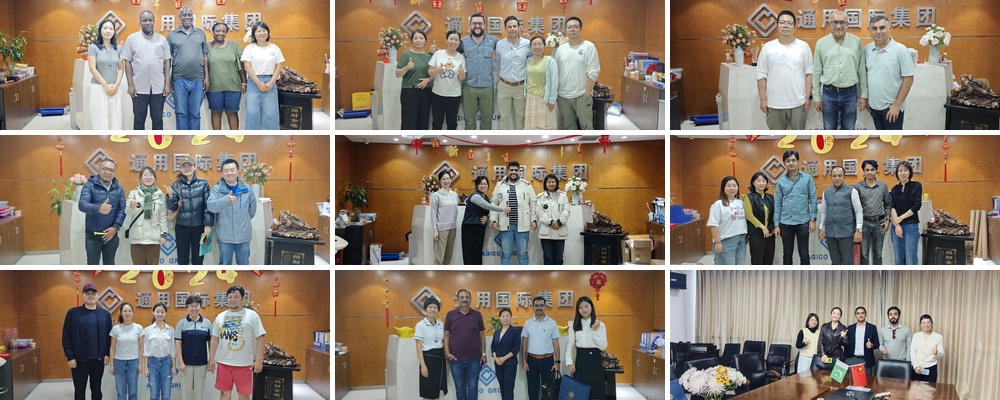
Global Flour Milling Machine Investors Visiting ABC Machinery
Neither dry milling nor semi‑wet milling holds absolute advantages. Production‑line suitability is determined by three core factors: raw grain moisture, target powder quality standard and investment budget. We provide pre‑sales technical diagnosis service. Based on your grain samples, target production capacity and sales‑channel needs, we can deliver customized process‑matching proposals and parameter optimization advice. We will never give blind quotations or push forced transactions. Please feel free to contact our engineers.

Projects