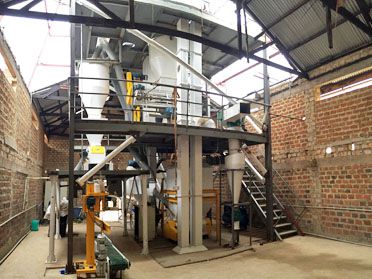
 Build Your Future!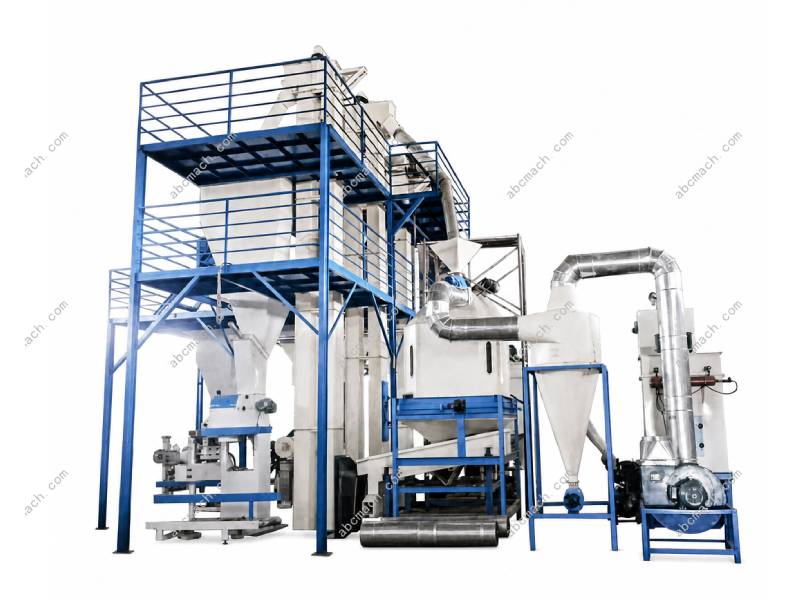
- Production Output: 1–15 t/h standard, customizable to 100 t/h
- Preferred Feed Form: mash (3–5 mm) as standard; 2.5–3.0 mm small pellets optional for hot season
- Raw Materials: corn, soybean meal, limestone (calcium source), wheat bran, soybean oil, premix
- Application: complete feed and mash for laying hens across rearing, pre-lay and peak-lay phases
- Target User: layer farms, egg producers, commercial feed mills, integrators
- Main Equipment Included: hammer mill, high-uniformity batch mixer, anti-segregation conveying system, BPM ring die pellet mill (optional module), cooler, bagging unit
- Process Flow: Cleaning → Grinding → Batching → Mixing → (Pelletizing, optional) → Cooling → Bagging
- Quality system: ISO 9001 certified manufacturing; CE-compliant machinery
- Service scope: layer feed plant turnkey: design, manufacture, installation, commissioning, training
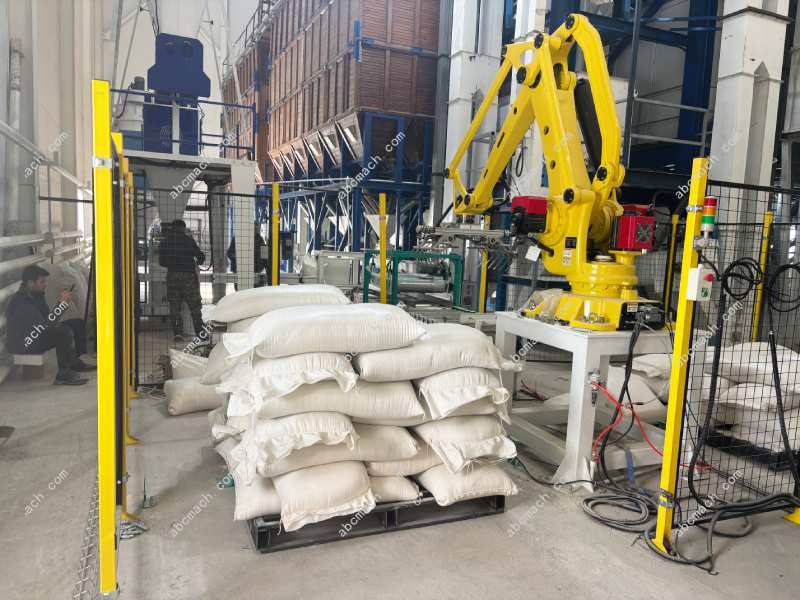
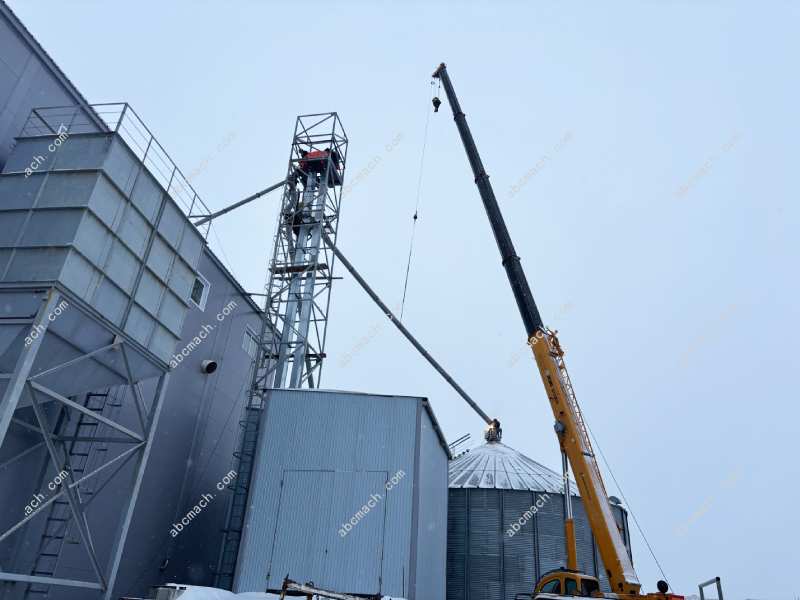
Main Equipment Configuration Scheme for Layer Hen Feed Production Line
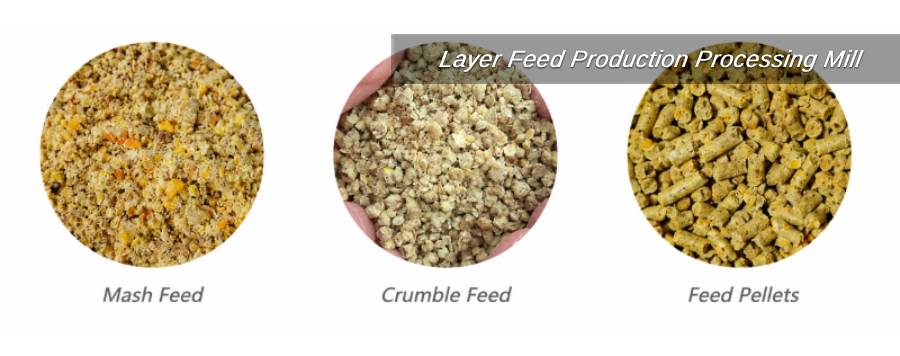
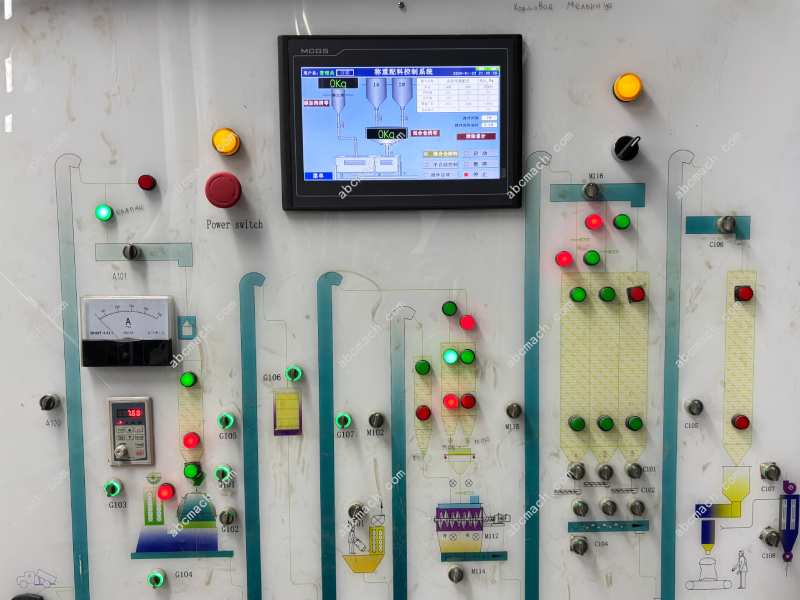
The layer hen feed production line puts the cleaning section first and pelletizing (when fitted) last, with batching after crushing. This main equipment configuration scheme specifies core machinery and corresponding process controls to keep eggshell quality consistent through the full 72–85 week cycle:
-
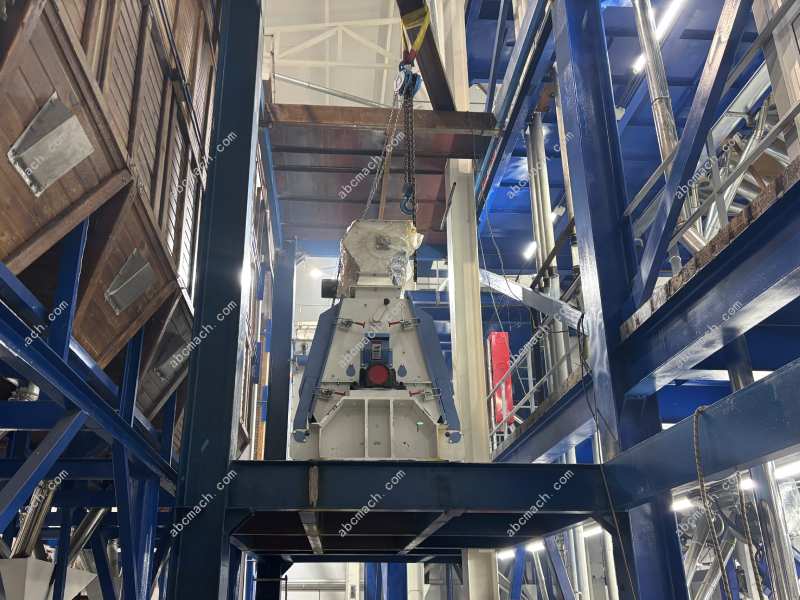
Hammer mill for coarse controlled grinding: set to 3–5 mm, deliberately not over-fine, because fine flour aggravates calcium segregation and dust.
-
Batch mixer (core main equipment): CV ≤ 5% and an extended cycle to hold the heavy calcium fraction evenly; this is the single most important machine for layer feed.
-
Limestone dosing bin with screw feeder: accurate 8.5–9.5% inclusion batch after batch, no manual scooping.
-
Anti-segregation chutes: gentle, baffled conveying keeps heavy calcium particles suspended. Never let finished feed free-fall more than one meter without a baffle.
-
Single-layer conditioner, 75–80°C: no over-conditioning, to protect vitamins and avoid over-gelatinizing mash.
-
Optional 2.5–3.0 mm pellet module: for hot-season intake recovery, without committing the plant to pellet production.
Layer Feed Formulation Overview: Calcium, Protein & Particle Size
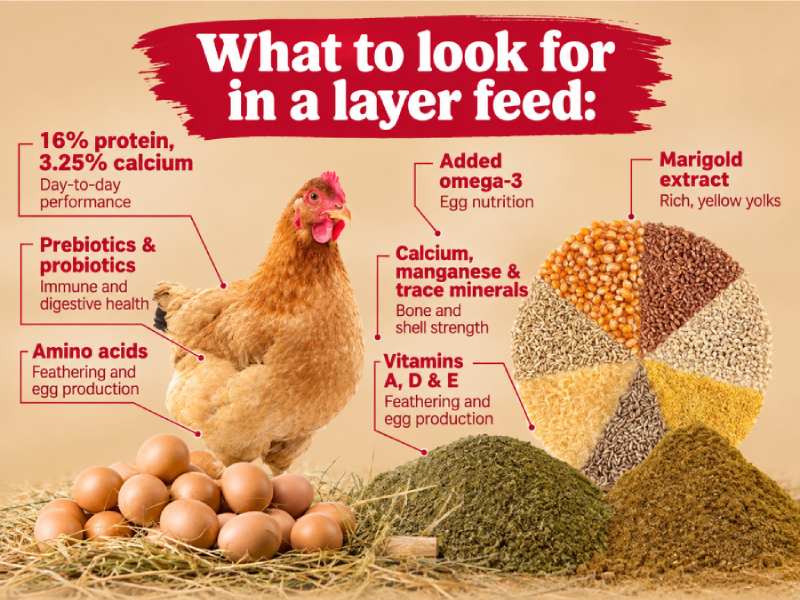
Layer Feed Nutrition Reference Chart
The formulation below is the benchmark our engineers use when sizing a 1–2 t/h layer feed manufacturing line — it is documented in full on our [layer feed formula with 3.6–4.2% calcium for eggshell strength].
|
Ingredient / Target |
Peak-lay range |
Rearing range |
|---|---|---|
|
Corn |
50–58% |
55–60% |
|
Soybean meal |
18–20% |
16–20% |
|
Limestone (calcium source) |
8.5–9.5% |
2–4% |
|
Wheat bran |
4–6% |
10–15% |
|
Soybean oil |
1–2% |
0.5–1% |
|
DCP / MCP |
0.45–0.55% |
0.6–0.8% |
|
Premix |
0.3–0.5% |
0.3–0.5% |
|
ME (kcal/kg) |
2,650–2,800 |
2,700–2,850 |
|
Crude protein |
15–18% |
15–16% |
|
Calcium |
3.6–4.2% (grit 0.8–2.0 mm) |
1.2% → 2.2% pre-lay |
|
Methionine / Lysine |
0.38–0.45% / 0.72–0.78% |
0.35–0.40% / 0.70–0.75% |
To get the detailed parameter and latest price list, you are welcome to get in touch with us! We will always be glad to serve you!

Equipment Highlights for ABC Machinery's Layer Feed Porduction Line
-
Limestone dosing bin with screw feeder — accurate 8.5–9.5% inclusion batch after batch, no manual scooping.
-
Anti-segregation chutes — gentle, baffled conveying keeps heavy calcium particles suspended in the mix.
-
Controlled mash particle size — grinding at 3–5 mm, not finer, reduces dust and segregation.
-
Small-pellet option — a 2.5–3.0 mm die module for hot-season intake, without committing the plant to pellet production.
Why Choose Mash Feed First in Layer Hen Processing Plant?
A layer feed production line is different from a broiler feed making line in one key way: most commercial layer farms feed mash, not pellets. The reasons are as follows:
-
Mash is the commercial standard for layer feed. Most commercial layer farms use mash, as it allows easy control of feed intake and prevents overeating. Overeating can cause hens to gain excess fat and reduce egg production.
-
Small pellets are an option for hot seasons. Summer heat usually reduces feed intake; 2.5–3.0 mm small pellets help improve consumption. Large pellets are not recommended for laying hens.
-
Core challenge 1: Calcium segregation. Layer feed formulas contain 3.6–4.2% calcium from limestone, which is much denser than corn and soybean meal. Without anti-segregation measures, calcium will separate and settle during material conveying, resulting in poor eggshe
ll quality. -
Core challenge 2: Overeating. Hens eating too quickly will put on fat and lay fewer eggs. Therefore, controlling the feeding rate and particle uniformity of mash must be considered in feed production line design.
Global Layer Feed Line Project Cases & Engineering Track Records
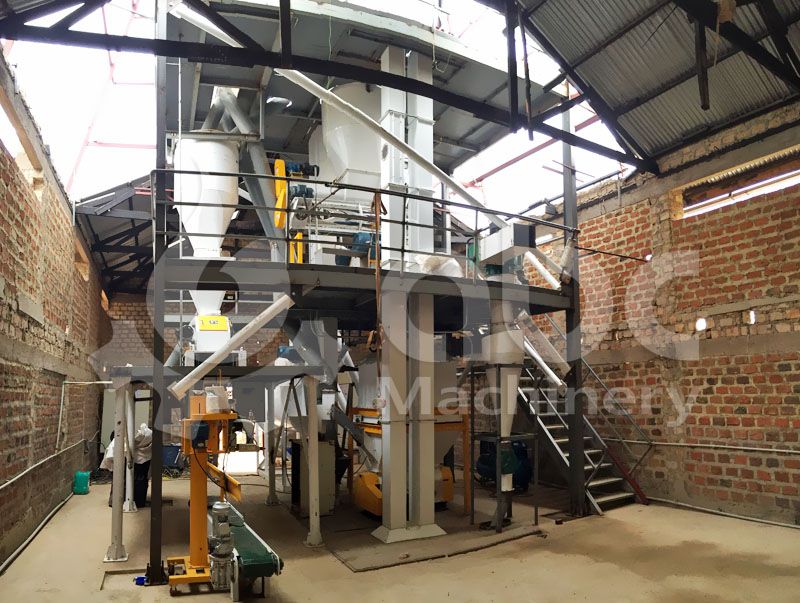
Crumble feed for young and early‑lay birds, one line for chick mash, grower crumble and layer pellets
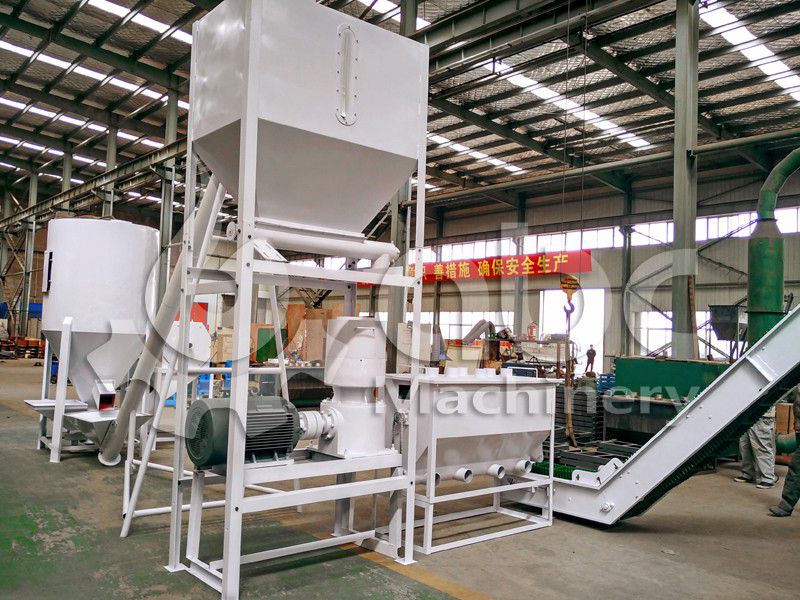
Layer feed section, feeding‑rate guidance for laying hens at 130–140 g/day
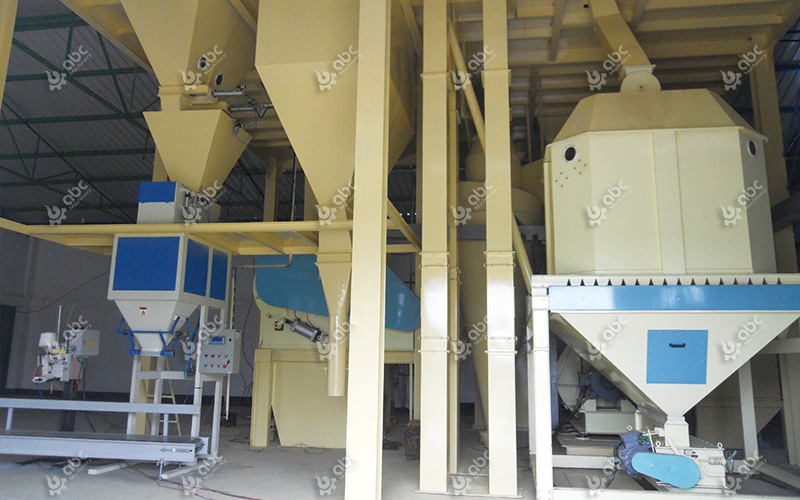
Equipment supply for feed mills in Kenya, Bangladesh and Tanzania, feed mill setup cost guide
Get Custom Layer Feed Line Quote & Production Solution
To design a matched layer feed production line and offer accurate poultry feed mill equipment budget, please prepare the following basic information:
-
Flock size & laying phase — Actual hen quantity and target egg production cycle for customized layer feed processing.
-
Layer feed form — Confirm mash-only production or mash plus seasonal small pellet module for hot-season poultry intake improvement.
-
Current feed cost — Local commercial layer feed price per ton, to calculate your self-production payback period.
-
Calcium source condition — Local available limestone or shell grit resources, core for stable eggshell quality.
-
Plant site & power supply — Workshop area and power type, supporting full layer feed line layout design.
Submit your details via our online inquiry form. We will provide professional layer feed formulation guidance, customized equipment list and precise project budget within 1 working day.